



Cyst Removal in Vancouver
Cysts are extremely common and can range in size from very small to quite large. They often feel like a lump or knot beneath the skin and may gradually grow over time. A skin cyst is typically a fluid- or keratin-filled sac that develops due to blocked glands, hair follicles, or other causes.
Most cysts are benign and slow-growing. However, some may become inflamed, infected, or painful, especially if irritated or left untreated. In these cases, medical evaluation is recommended. Treatment options vary depending on the type and condition of the cyst and may include monitoring, medication, drainage, or surgical removal.
Common Types of Cysts
There are several types of skin cysts, each with different characteristics and locations.
Sebaceous Cysts
Sebaceous cysts are non-cancerous, slow-growing lumps that form when sebaceous glands become blocked. They are typically filled with a yellowish, oily material (sebum) and are commonly found on the face, neck, or torso. While often painless, they can become swollen, inflamed, or infected, requiring treatment or removal.
Epidermoid Inclusion Cysts
Epidermoid cysts are one of the most common types of skin cysts. They develop when skin cells (keratin) become trapped beneath the surface, often due to a clogged or disrupted hair follicle. These cysts may recur if squeezed and are commonly found on the face, neck, and upper body.
They are usually harmless but can become red, swollen, and painful if inflamed or infected. Removal is typically recommended when the cyst is not actively inflamed.
Pilar Cysts
Pilar cysts (also known as trichilemmal cysts) are firm, skin-coloured lumps that most commonly develop on the scalp. They arise from hair follicles and are filled with keratin. While benign, they may become bothersome, especially when brushing or styling hair.
These cysts can be fully removed with surgical excision to prevent recurrence.
Digital Mucous Cysts
These cysts commonly appear near the fingers or toes, often around the nail bed. They are associated with joint or tendon structures and may cause discomfort or nail changes.
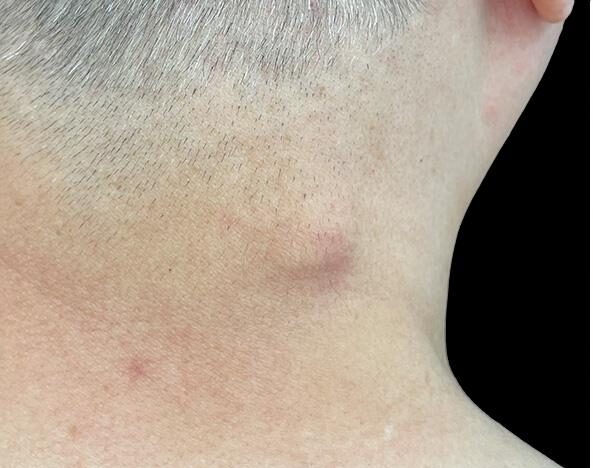
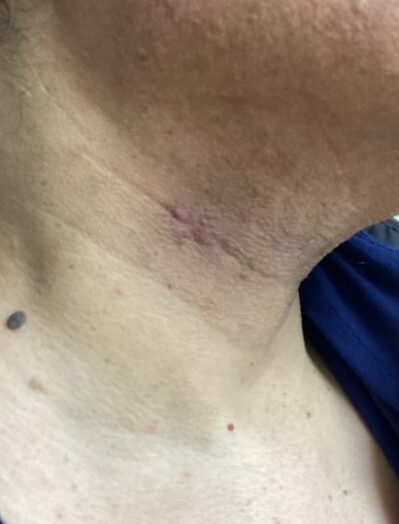
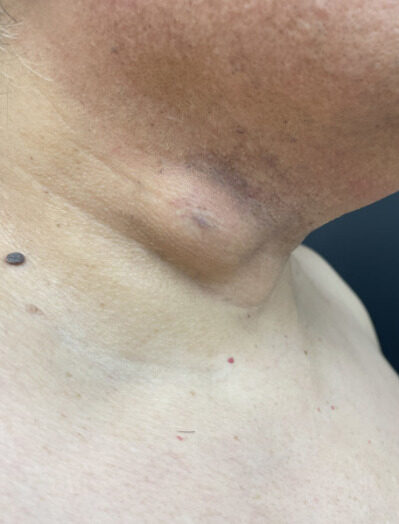
Before & After
Every patient’s journey is unique, and we are proud to showcase real transformations achieved through personalized care and advanced surgical techniques. Our before and after photos feature actual patients who have consented to share their results, highlighting the natural, individualized outcomes you can expect from our practice.
See More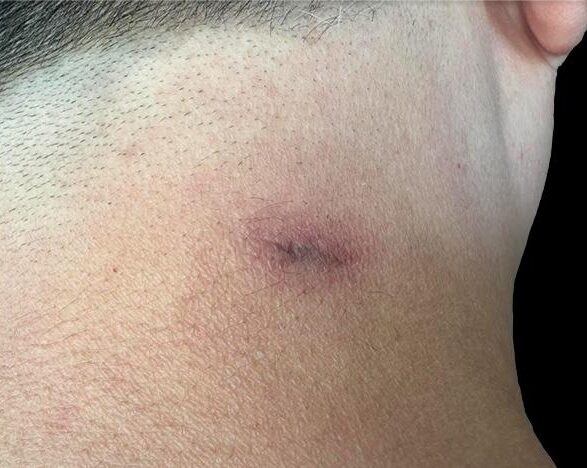
Techniques Used for Cyst Removal
Surgical Excision
Surgical excision is the most common and definitive treatment. The entire cyst, including its capsule, is carefully removed and the skin is sutured closed. This method provides the lowest risk of recurrence.
Steroid Injection
In cases of inflammation, a corticosteroid injection may be used to reduce swelling and discomfort before considering removal.
Cryotherapy
In select cases, the cyst may be drained and treated with liquid nitrogen to freeze the tissue. This is less commonly used compared to excision.
Areas That Can Be Treated
Cysts can be safely removed from many areas of the body, including:
- Face and neck
- Scalp
- Chest and back
- Arms and legs
- Hands and fingers
The appropriate technique depends on the cyst’s size, depth, and location.
What to Expect During Treatment
Cyst removal is typically performed in-office under local anesthesia. The area is cleansed and numbed before the procedure begins.
For surgical excision, the cyst is carefully removed in its entirety, and the incision is closed with sutures. The procedure is generally quick, and patients can return home the same day.
What to Expect After Treatment
Following treatment, it is normal to experience mild swelling, redness, or tenderness at the site. These symptoms usually resolve within a few days.
Patients will receive detailed aftercare instructions, including wound care, activity restrictions if needed, and follow-up timing for suture removal.
A small scar is expected with surgical removal, but careful technique and proper aftercare help ensure optimal healing and cosmetic results. Scar maturation may take several months.
Frequently Asked Questions
- Do cysts need to be removed?
- Can I squeeze or drain a cyst myself?
- Will the cyst come back after removal?
- Is the procedure painful?
- Can infected cysts be removed?
Request a Consultation
You deserve the best solutions to achieve your positive body image. Consult with top plastic surgeons in Vancouver and rest of BC.
