



Mole Removal in Vancouver
Moles are very common skin growths that can appear at any age. They may be flat or raised and can range in colour from skin-toned to darker brown or black. Most moles are benign and do not require removal. However, some patients choose to have moles removed because they rub against clothing, become irritated, or are aesthetically bothersome.
At our clinic, our surgeons carefully assess each mole to determine the safest and most appropriate treatment option. When removal is desired, mole removal can often be performed in a single office visit using local anesthesia.
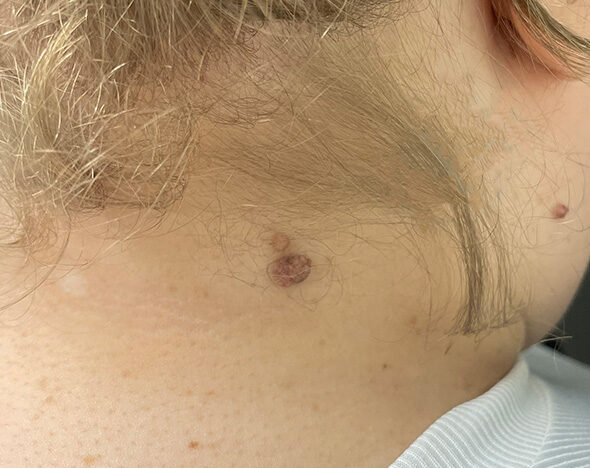
Before & After
Every patient’s journey is unique, and we are proud to showcase real transformations achieved through personalized care and advanced surgical techniques. Our before and after photos feature actual patients who have consented to share their results, highlighting the natural, individualized outcomes you can expect from our practice.
See More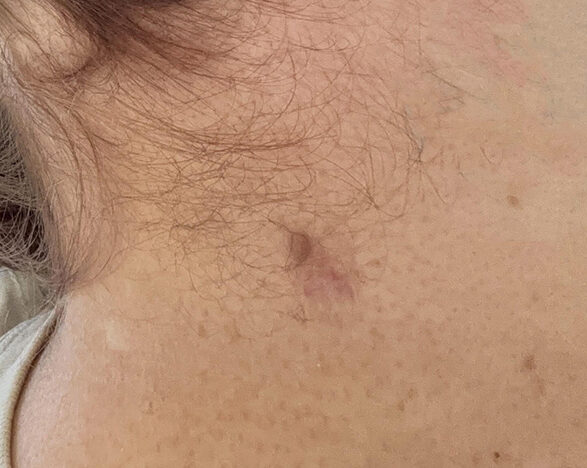
Mole Removal Techniques
Surgical Excision
Surgical excision involves removing the entire mole, including the deeper portion beneath the surface of the skin. The area is then closed carefully with sutures to support proper healing and minimize scarring. This technique is commonly recommended when complete removal is preferred or when the mole requires further assessment.
Surgical Shave
A surgical shave involves carefully removing the raised portion of the mole so it sits flush with the surrounding skin. This option is often used for raised benign moles where the goal is to reduce prominence with minimal visible scarring. Because the deeper portion of the mole is not fully removed, there is a small chance the mole may recur over time.
Areas That Can Be Treated
Moles can often be removed from many areas of the face and body, including the face, neck, chest, back, arms, and legs. During your consultation, the surgeon will assess the mole’s size, location, appearance, and skin type before recommending the most suitable approach.
What to Expect During Treatment
Mole removal is typically performed in-office under local anesthesia. The area is cleaned and numbed before the mole is removed using the most appropriate technique. The procedure is usually quick, and patients can return home shortly after treatment.
What to Expect After Treatment
After the procedure, patients may experience mild redness, swelling, tenderness, or bruising around the treated area. These symptoms usually improve over the following days. Detailed aftercare instructions will be provided, including how to care for the incision site, when to remove or change dressings, and when to return for follow-up or suture removal if needed.
A scar is expected any time the skin is cut; however, careful technique and proper aftercare help support the best possible cosmetic outcome. Scar maturation can take several months, and the final result will continue to improve with time.
Frequently Asked Questions
- Is mole removal painful?
- Will the mole come back?
- Will I have a scar?
- Can removed moles be tested?
- How do I know if a mole should be checked?
Request a Consultation
You deserve the best solutions to achieve your positive body image. Consult with top plastic surgeons in Vancouver and rest of BC.
