How Pacific Plastic Surgery Group Achieves Subtle, Natural, Beautiful Breast Augmentation Results in Vancouver BC
November 25, 2025
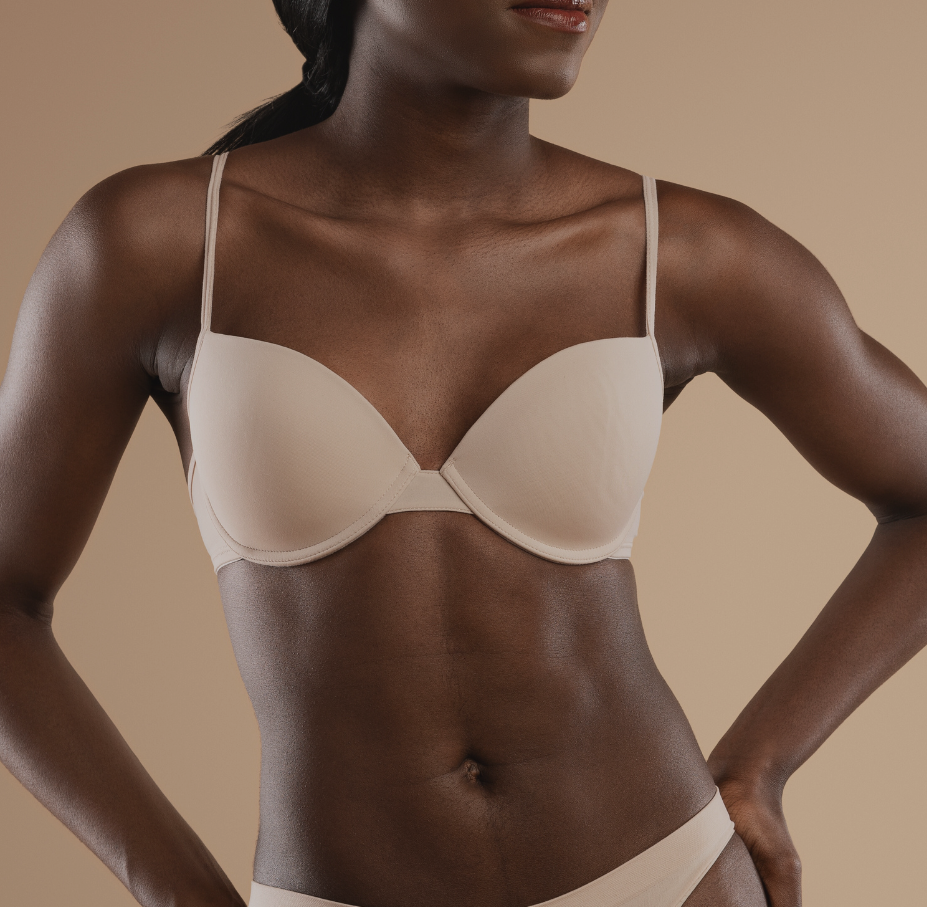
Breast augmentation remains one of the most sought-after cosmetic procedures in Vancouver, reflecting a desire for natural enhancement rather than dramatic change. At Pacific Plastic Surgery Group, board-certified female plastic surgeon Dr. Janine Roller blends artistry with advanced medical techniques to provide patients with subtle, beautiful results that enhance self-confidence while maintaining natural aesthetics. For individuals seeking breast augmentation in Vancouver, understanding the procedure and how Dr. Roller tailors each approach offers invaluable insight into achieving the best outcomes.
What Is Breast Augmentation?
Breast augmentation involves the surgical placement of implants or fat transfer to enhance breast size and shape. It addresses concerns such as small breast size, asymmetry, or volume loss after pregnancy or weight fluctuations. This procedure is highly customizable, allowing patients to select implant types, sizes, and placement techniques that align with their unique body proportions and personal goals.
How Breast Augmentation Works
Dr. Janine Roller at Pacific Plastic Surgery Group uses precise surgical planning combined with advanced implant technology to tailor breast augmentation for each patient. Implants may be silicone gel or saline, chosen based on texture, shape, and feel preferences. Incisions typically are placed in the inframammary crease (under the breast fold) to minimize visible scarring. Meticulous surgical technique and a focus on natural contouring ensure results that look and feel authentic.
Who Is a Candidate for Breast Augmentation in Vancouver?
Ideal candidates are individuals in good overall health who desire breast enhancement for aesthetic reasons. Candidates often include women experiencing volume loss after pregnancy or weight loss, those with asymmetrical breasts, or individuals seeking improved self-confidence. Dr. Roller works with you to evaluate individual anatomy, lifestyle, and expectations during a thorough consultation to recommend a personalized and bespoke surgical plan.
Benefits of Breast Augmentation at Pacific Plastic Surgery Group
Patients benefit from Dr. Roller’s artistic eye combined with her extensive surgical expertise, resulting in breasts with natural shape and proportion suited to their body frame. The procedure offers:
- Improved breast symmetry and contour
- Restored volume lost from aging, pregnancy, or weight changes
- Natural-feeling results emphasizing subtlety over size alone
- Customized implant selection and placement for minimal scarring
- Enhanced confidence and satisfaction with appearance
What to Expect During Breast Augmentation Treatment
The procedure typically takes 1 to 2 hours under general anesthesia. Patients receive comprehensive preoperative instructions and post-surgical care guidance to optimize recovery. Swelling and discomfort are expected initially but generally resolve within a few weeks. Most patients resume light activity within days and normal exercise within several weeks. Dr. Roller provides ongoing follow-up to monitor healing and patient satisfaction.
Patient Results and Experience
The Pacific Plastic Surgery Group website showcases a gallery of before-and-after photos highlighting natural, beautifully balanced breast augmentations performed by Dr. Roller. Patients frequently praise her attentive care, artistic approach, and natural outcomes. Testimonials reflect enhanced self-esteem and gratitude for results that do not look “overdone” but rather harmonious with each patient’s unique body.
Frequently Asked Questions
Why might I choose to have breast surgery?
A breast augmentation is a surgical procedure to increase the size and volume of an individual’s breasts using implants. Breast augmentation is one of the most common cosmetic procedures performed today. Our surgeons understand that being happy with the size and shape of your breasts and the contour of your body is very important for your confidence and sense of wellbeing.rnrnA good candidate for a breast augment often has one or more of the following concerns:rnrnUnhappiness with the current breast size.rnA change in breast size and volume following significant weight loss or after having children and breastfeeding.rnAsymmetry between the breasts. Nearly all women naturally have a difference in size between their breasts, but for some women this is much more noticeable than others. This can be corrected using implants in both or just one breast.rnA mastopexy (breast lift) is a surgical procedure that lifts breasts that are drooping to an optimal position on the chest wall. A breast lift can be performed in combination with an augmentation using implants if desired.
How do I choose a size?
Many women ask us “what cup size will I be after the surgery”, or “I would like to be a c-cup”. The difficulty with thinking in terms of cup-size is that it is a very subjective measure, varying widely between individuals and even bra manufacturers. A 36C in one manufacturers bra can be a 34D in another. This is why we prefer to talk about shape and proportion. Our goal is to have breasts that you are happy with and that fit with your individual body size and shape so that your breasts look proportional to the rest of your body.rnrnChoosing the right size and shape of implants is a big decision and one that our patients are understandably anxious about. Your surgeon will work with you to consider your body type, measure your chest width, and understand your desired outcome. At Pacific Plastic Surgery we routinely use sizers to give you an idea of size and proportion and we have the option of using VECTRA 3D imaging. Personalized recommendations will ensure a natural and proportionate look.
How do I try on Sizers during the consultation?
As discussed above, cup-size isn’t the best way to understand how your body will look after surgery. During your consultation we will provide you with some different sizers (a variety of trial breast implants) that you can try on with a bra and clothes. This helps you to appreciate how different sized breast implants will look in relation to the rest of your body. When trying sizers there a few different things to consider, such as your body frame, height, weight, and the width of your shoulders and waist. Women who are taller and have a broader chest and shoulders will likely need a bigger implant to achieve a balanced look than a shorter woman with narrow hips and narrow shoulders. Implant sizes refer to the amount of fluid or gel inside the implant. They can be as small as 125cc and go up from there.rnrnSome important things to remember when considering the best implant size for you:rnrnThere will not be a size that is the perfect fit, rather there will likely be a range of implant sizes that will work and then it is based on your personal preference.rnBigger is not always better and choosing a size that compliments your body size is the best way to prevent you from looking “top heavy” after the procedure.rnSome larger implants may not fit your skin and our surgeon will advise you on whether a chosen implant is feasible for your individual circumstance.
How long is the procedure?
The procedure takes between 1.5 and 2 hours and requires a general anesthetic. The exact procedure will depend on the individual and their specific needs. A small incision is usually made in the crease underneath the breast, (which helps to hide the scar). Sometimes an incision is also made around the areola to move the nipple into a higher position (breast lift/mastopexy). The implant can be placed either under the pectoralis major muscle or on top (a decision made by you and surgeon pre-operatively). Once the optimal position is achieved the opening will be closed. Surgical drains are not used. The sutures (stitches) that are used to close the incisions at the end of the operation are dissolvable and don`t need to be removed.
What should I be doing before surgery?
For smokers, smoking must cease at least 6 weeks prior to surgery and for at least 4 weeks postoperatively.rnAll herbal remedies taken orally must similarly be stopped 6 weeks prior to surgery. Many such herbal remedies have been linked to increased risk of bleeding and many others simply have not been studied well enough to know their effects.rnNo alcohol for 24hrs before your surgeryrnDiscuss with your surgeon whether to take any regular prescribed medication the day of surgeryrnNothing to eat or drink on the day of your surgery from midnightrnNotify our office if you develop a cold or illness before your surgeryrnUse the chlorhexidine scrubbing brush (provided by our office) when showering on the morning of your surgery
What is the recovery from surgery like?
Recovery from breast augmentation occurs gradually and in stages. Immediately after surgery you will likely need 2-5 days off work, depending on the type of work you do. Jobs that involve heavy lifting or physical exertion may require more time off. You can resume light exercise after 2 weeks, and increase to intense exercise after 6 weeks. You should not use swim or submerge your incisions for 3-4 weeks after surgery, so it’s worth considering any vacations or trips when scheduling your surgery date.rnrnFirst night after surgery:rnFollowing surgery, you need to have a caregiver escort you home and stay with you for the first 24-48hrs hours. For patients from out of town we recommend staying in the local area for 3-4 nights after surgery to allow for a post-surgery consultation with the surgeon.rnrnSupport bra:rnYou will be provided with a front-fastening support bra before being discharged home. This is worn continuously for 6 weeks. The use of the support bra will help minimize discomfort, protect the wounds and prevents movement of the implant until it has settled into place and all incisions are completely healed. After 4 weeks if you prefer to use a supportive sports bra that is OK. You should not wear an underwire bra for 6 weeks after surgery.rnrnDressings:rnAt the end of surgery, showerproof dressings are applied that must stay in place until your first post-surgery appointment with the surgeon. If there is some blood or blood/straw colored fluid showing through the dressing this is ok. The dressing can be reinforced with gauze to prevent it from soiling your support bra. These dressings will be removed and replaced at your appointment with the surgeon.
Will I have pain and sickness after surgery?
Pain relief:rnMost patients will experience some pain after their procedure, more so in the first few days after your surgery. The severity of pain experienced varies between individuals based on their tolerance for pain and the surgical technique used. Some women feel little to no pain whereas others will have to manage their pain level using prescription painkillers. Prior to and during surgery you will receive a combination of analgesics (painkillers) and local anesthetics to minimize post-surgery pain. Typically the operation causes minimal to modest pain. This pain can be well controlled with tablet analgesics that will be prescribed before discharge from the surgery centre. Some pain medications can cause constipation so please remember to stay well-hydrated and consider a stool softener to help.rnrnNausea and sickness:rnSome people find that the anesthetic medication used during surgery can cause them to feel nauseous. You can try taking ginger drinks or Gravol tablets from the pharmacy, but if it persists a prescription for stronger anti-sickness medication can be provided. Even if you are feeling sick it is important to keep taking fluids to prevent dehydration and constipation.
When will I be able to resume normal activities?
Showering and bathing:nShowering can commence the day after surgery as your dressings are showerproof. Do not shower in very hot water, rather use a more moderate water temperature. At the end of the second week it is usually OK to start taking baths, if the surgeon is happy with your healing.nnExercise:nVery light regular daily activities are allowed by day 2 after surgery, but these may be sore initially. Depending on the recovery and the first post-operative visit, you can increase your activity level after the first 2 weeks. You should not do any activity that increases your heart rate above 120 beats per minute for the first 4 weeks. It is important to ‘listen’ to your body: if an activity hurts or causes much discomfort then wait longer. Do not participate in any strenuous activity until 6 weeks after your surgery. This includes: heavy lifting/weight lifting, extreme stretching exercises such as yoga, strenuous sporting activities.nnDriving:nYou must not drive for 48 hours after a general anesthetic. Driving can typically begin again 5-7 days post-surgery.nnSleeping:nMake sure to sleep on your back and prop yourself up with pillows. This will help facilitate getting in and out of bed. Avoid sleeping on your belly or side for 6 weeks following your procedure.nnWork:nReturn to work depends very much on the individual and the type of work activity you perform. Most individuals can return to work in some capacity 1-week post-surgery.nnFollow-up:nFollow-up is tailored to the individual case but typically occurs, 1-2 weeks post-surgery, 4-6 weeks, and 3-6 months post surgery.
Will I have scars?
Scars:rnScarring after breast augmentation and mastopexy surgery is permanent. Your surgeon will however place the incision in low visibility areas, typically under the breast fold. If a breast lift is also required there is additional scarring around the areola. We will provide you with a scar-minimizing silicone gel to use after surgery and the surgeon will explain how to gently massage the incision lines to minimize scarring. It is important to not expose your incision lines to the sun for the first 6 months as the sunlight can prevent the scars from fading. If you are tanning then cover your incision lines with a high-factor sunscreen (factor 60 or greater).rnrnImplant Settling:rnImmediately after your surgery it is very normal for the breasts to feel hard and to sit in a very high position on the chest. Over the course of 6-12 weeks after your surgery your implants will ‘settle’ into the optimal position on your chest.rnrnSmoking:rnSmoking should be avoided in the first 6 weeks after surgery. Smoking significantly increases the risk of complications such as infection and delayed healing. Even more seriously it can cause skin death (necrosis), including nipple necrosis!
What are the potential early complications?
Hematoma: a collection of blood trapped within the breast affecting 1-2 % of cases.rnrnInfection: very rare, less than 1% of cases.rnrnDecrease or increase in sensitivity of the nipple. 15% of patients may experience this, typically temporary in nature.rnrnNecrosis (loss) of the nipple: a very rare risk of augmentation-mastopexy procedures.rnrnDelayed healing: incisions that take several weeks to heal rather than the normal 1-2 weeks. Seen occasionally with augmentation-mastopexy procedures.rnrnAsymmetry/Unevenness of the breasts: typically associated with patients who have pre-operative asymmetry.rnrnDeep vein thrombosis/Pulmonary embolus: blood clots in the leg and lung respectively.
What are the potential long-term complications?
Implant rupture: 1% of implants per year can rupturernrnCapsular contracture (excess scar tissue around the implant): leads to hardening and discomfort of the breast. 1% of implants per year effected.rnrnRippling of skin around implant (more problematic with large implants)rnrnMalposition of implant: implants moving out of their original position (much more common with large implants)rnrnALCL: a rare form of lymphoma associated with textured breast implants affecting up to 1 in 3,000 textured implants. Our surgeons never use textured implants and this complication is listed here in the interests of being comprehensive.rnrnRe-operation: approximately 20% of all patients who have had cosmetic breast surgery have a further breast surgery within 10 years of their original surgery. Reasons for re-operation include complications such as capsular contracture, rupture, malposition as well as patient choice e.g. change of implant size, breast lift required as the breast ages and droops.rnrnHypertrophic/keloid scar formation: thick, lumpy, itchy scars. Uncommon.
Are breast implants safe and what are the potential risks?
Breast implants are considered safe, but they come with potential risks. Previously there was an implant that was found to cause some problems and was link to BIA-ALCL (Breast implant-associated anaplastic large cell lymphoma) however this product has since been removed from the Canadian market. Common risks for breast implants include implant rupture, capsular contracture (scar tissue formation), infection, and changes in nipple or breast sensation. It’s important to discuss these risks thoroughly with your Pacific Plastic Surgery Group plastic surgeon and consider regular follow-ups to monitor the implants.
How long do breast implants last before they need to be replaced?
Historically it’s been recommended to replace breast implants at around the 10 year mark, but more modern implants have lasted longer and they don’t have a definitive expiration date. Many people may need to replace them sooner due to complications such as rupture, capsular contracture, or changes in aesthetic preferences. Regular check-ups with your Pacific Plastic Surgery Group surgeon are important to monitor the condition of your implants and we typically recommend annual visits to our clinic.
What types of breast implants are available?
Advancements in breast augmentation technology have brought about more nuanced choices beyond just the type of implant material (saline or silicone). Two significant factors that can now be considered are the firmness of silicone implants and the profile (or projection) of the implants. Let’s delve into these:rnrnFirmness of silicone implants: Silicone implants now come in different levels of firmness or cohesiveness of the silicone gel. This can affect how the implant feels and behaves within the breast. Some feel that the firmer silicone can provide more shape retention and stability, potentially reducing the risk of rippling and maintaining a more predictable shape over time.rnrnProfile or projection of implants: This refers to how much the implants project forward from the chest wall. Implants are available in different profiles, such as low profile (less projection), moderate profile, high profile, and even ultra-high profile. The choice of profile depends on factors like body shape, chest width, and desired breast size and shape. A higher profile implant may provide more projection and fullness in the upper part of the breast, while a lower profile implant may offer a more subtle augmentation.rnrnWhile the many choices may seem overwhelming, they enable a more personalized approach. Your Pacific Plastic Surgery Group surgeon will work with you to understand your goals and make suggestions for implants that will best suit your body shape and meet your needs.
Will my breast augmentation look natural?
Dr. Roller’s expert technique and implant choices prioritize natural shape and proportion, ensuring results that enhance your silhouette without appearing artificial.
How long is the recovery?
Recovery varies individually but most patients return to normal activities within 4-6 weeks, with follow-up appointments to ensure optimal healing.
What are the implant options?
Pacific Plastic Surgery Group offers silicone gel and saline implants in various shapes and profiles, customized to your goals and aesthetic preferences.
Are there any risks?
As with any surgery, risks exist but are minimized through Dr. Roller’s careful planning and technique. These will be discussed in detail during consultation.
Why Choose Pacific Plastic Surgery Group for Breast Augmentation in Vancouver?
Dr. Janine Roller is a board-certified female plastic surgeon uniquely blending artistic vision with technical precision. Her subspecialty training and commitment to individualized care ensure each patient receives the most natural, beautiful result possible. Serving Vancouver and surrounding areas, the practice emphasizes safety, comfort, and transformative outcomes.
Contact Vancouver’s leading plastic surgery group.
Get started on your journey with the most trusted plastic surgeons in Vancouver.
Request a Consultation
BEAUTIFUL RESULTS.
BESPOKE SERVICE.
Schedule Your Consultation with Dr. Janine Roller Today
If you are considering breast augmentation in Vancouver, Pacific Plastic Surgery Group invites you to explore how subtle, natural enhancements can help you feel your best. Browse our gallery of patient transformations and learn more about Dr. Janine Roller before booking your personalized consultation. Reach out via our Contact Us page or call the office to take the first step toward your aesthetic goals.
Request a Consultation
You deserve the best solutions to achieve your positive body image. Consult with top plastic surgeons in Vancouver and rest of BC.